
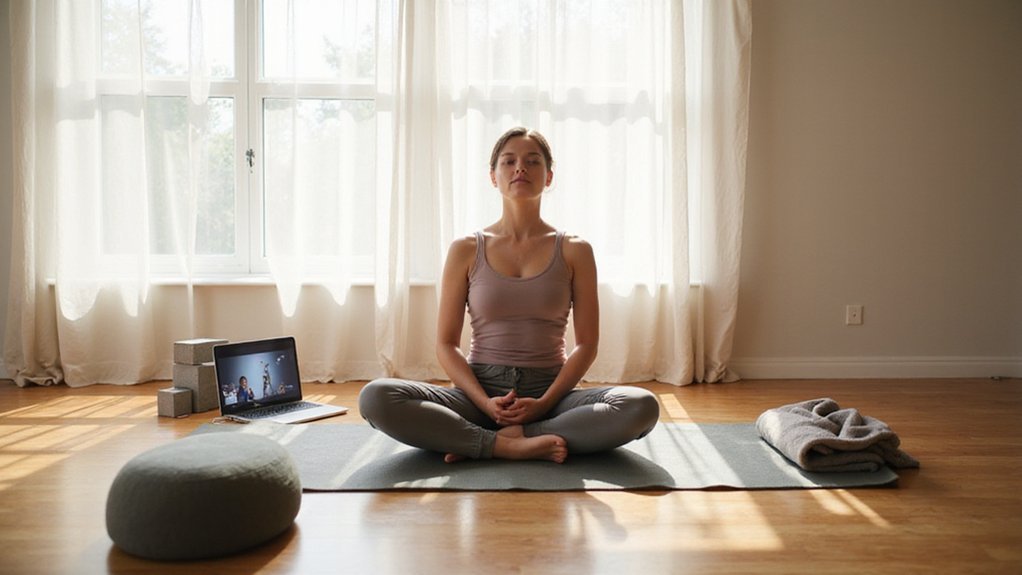
You might not realize that trauma can live in your body long after an experience has passed, creating invisible tension and emotional blockades. Trauma-informed yoga offers a gentle pathway to healing, providing free online resources that understand your unique journey. These specialized practices aren’t about performance or pushing limits, but creating safe spaces where you can reconnect with yourself. If you’re seeking compassionate support that respects your boundaries, there’s a world of healing waiting just beyond this introduction.
Key Takeaways
- Yoga International offers free trauma-sensitive yoga video series targeting anxiety and healing, funded by the Hardesty Family Foundation.
- Mindful Movement provides accessible online yoga classes emphasizing gentle, trauma-informed techniques for emotional regulation and self-awareness.
- The Trauma-Informed Yoga Network hosts complimentary webinars and guided meditation resources focused on reconnecting with the body after trauma.
- YouTube channels like “Trauma-Sensitive Yoga” feature free instructional videos designed for diverse populations, including adults, children, and adolescents.
- Online platforms such as Insight Timer and DoYogaWithMe offer extensive libraries of trauma-informed yoga and breathwork classes at no cost.
Understanding Trauma-Informed Yoga Principles
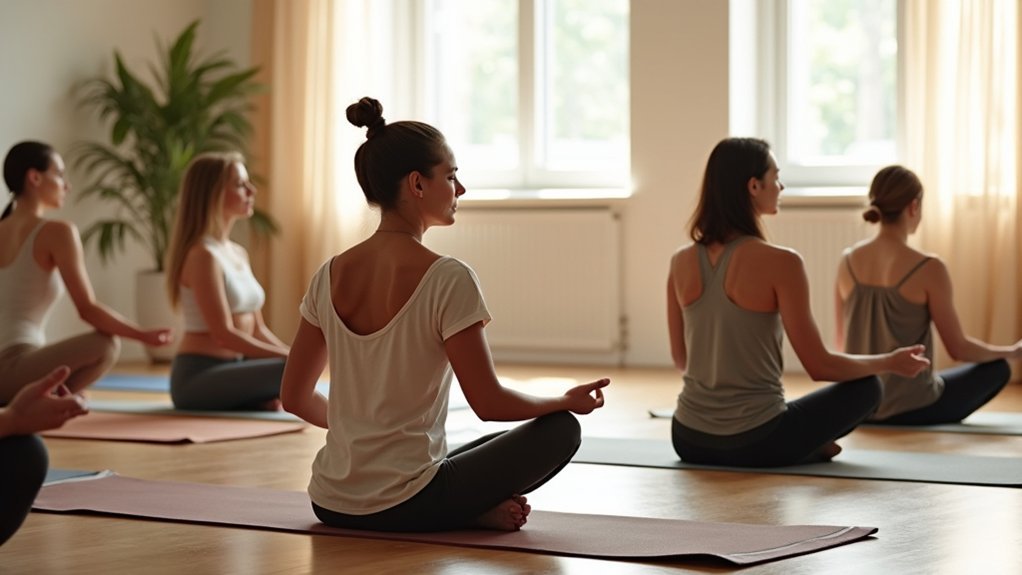
While trauma can profoundly impact an individual’s relationship with their body and self, Trauma-Informed Yoga (TIY) offers a gentle, compassionate approach to healing. You’ll discover a practice that prioritizes your personal autonomy and internal experience, where every movement is optional and guided by your comfort level. TIY recognizes that trauma can create complex physical sensations like numbness or hypervigilance, and provides a supportive framework for understanding these experiences.
The practice isn’t about perfecting poses, but reconnecting with yourself mindfully. You’ll be encouraged to make choices that feel safe, with techniques designed to help you tolerate and process sensations without judgment. By emphasizing self-awareness and individual pace, Trauma-Informed Yoga creates a nurturing environment where healing can unfold naturally and respectfully.
Benefits of Trauma-Sensitive Movement Practices

Building upon the foundational understanding of Trauma-Informed Yoga principles, trauma-sensitive movement practices offer profound healing opportunities for individuals traversing post-traumatic experiences. You’ll discover these practices help you reconnect with your body, regulate emotions, and cultivate resilience through gentle, mindful movements. By emphasizing autonomy and personal choice, trauma-informed yoga creates a safe environment where you can explore your inner landscape without judgment.
Research demonstrates these practices can considerably reduce symptoms of anxiety and stress, providing you with practical tools for managing hyperarousal. You’ll learn to navigate emotional challenges through breath and intentional movement, supporting your post-traumatic growth. Each session becomes a transformative journey of self-discovery, empowering you to reclaim your sense of safety and connection within your own body.
Available Online Yoga Series for Healing

Because healing is a deeply personal journey, the Trauma-Informed Yoga series offers accessible online resources designed to support your emotional well-being and recovery. Each session, thoughtfully crafted by experienced Yoga Teachers, prioritizes your safety and autonomy, allowing you to explore movement at your own pace.
The series includes specialized online resources:
- Sessions for adults, children, and adolescents
- Practices focused on anxiety and addiction recovery
- Gentle movement sequences emphasizing breath awareness
- Mindfulness techniques promoting emotional regulation
These free resources, funded by the Hardesty Family Foundation, invite you to engage with yoga as a healing practice. You’ll find no pressure to achieve specific physical poses, but instead, an invitation to connect with your body, cultivate self-awareness, and regulate emotions through compassionate, trauma-sensitive movement.
Key Components of Trauma-Informed Yoga Classes

Three fundamental components define trauma-informed yoga classes, creating a safe and empowering space for healing. You’ll discover that individual choice and autonomy are paramount, allowing you to engage in practices that feel comfortable and supportive for your mental health journey.
The approach emphasizes mindfulness and self-awareness, focusing on your internal sensations rather than external performance. You’ll find gentle, accessible practices designed to accommodate all fitness levels, with options to use mats, chairs, or other supportive tools.
Each class creates a validating environment where you can explore themes like anxiety relief and emotional regulation. Community support encourages sharing and connection, ensuring that your yoga experience is personalized, respectful, and aligned with your healing needs.
Breathing and Mindfulness Techniques

When you’re managing trauma recovery, breathing and mindfulness techniques become powerful allies in your healing journey. Trauma-informed yoga offers gentle, accessible approaches to help you reconnect with your body and emotions through intentional breath work.
Breathing techniques restore connection, offering gentle healing pathways for trauma survivors through mindful, compassionate movement.
- Explore free online yoga videos that guide you through pranayama and mindful breathing techniques
- Learn to regulate your nervous system using structured breath practices
- Discover how mindful exhalation can create a sense of safety and calm
- Practice breathing methods that enhance emotional resilience and self-awareness
These techniques aren’t just exercises; they’re transformative tools that help you navigate healing. By incorporating mindful breathing into your daily routine, you’ll develop a compassionate relationship with yourself, gradually building emotional strength and finding moments of peace amidst recovery.
Addressing Anxiety and Emotional Regulation
Although trauma can leave deep emotional scars, trauma-informed yoga offers a gentle, empowering pathway to managing anxiety and emotional regulation. You’ll discover a yoga series designed to help you reconnect with your body and breath, creating a safe space for healing. By practicing mindful movement and breath awareness, you’ll learn to identify and tolerate physical sensations, reducing anxiety symptoms.
| Technique | Benefit |
|---|---|
| Yin Yoga | Nervous System Regulation |
| Breath Control | Emotional Stabilization |
| Gentle Movement | Body Awareness |
| Choice-Based Practices | Personal Autonomy |
| Mindfulness | Anxiety Reduction |
The approach emphasizes your autonomy, allowing you to engage at your own pace. Each practice becomes a tool for emotional self-regulation, helping you rebuild a sense of safety and calm from within. Your journey of healing is unique, and trauma-informed yoga supports you every step of the way.
Community Support and Resources
Your healing journey doesn’t end with individual practice—it’s strengthened by connection and shared support. Community involvement plays a vital role in sustaining trauma-informed wellness. The Hardesty Family Foundation supports this mission by funding free yoga resources that empower individuals seeking emotional regulation.
Key ways you can engage and support this healing community include:
- Participating in the annual By Your Side 5K and Fun Run
- Providing valuable feedback through online participant surveys
- Exploring additional yoga opportunities at Parkside
- Making donations to support local wellness initiatives
While these resources offer peer support and educational opportunities, it’s important to remember they complement—but don’t replace—professional therapeutic care. Your involvement helps create a supportive network that validates individual experiences and promotes collective healing.
Getting Started With Trauma-Informed Yoga
How do you begin a journey of healing through trauma-informed yoga? Start by exploring free online resources designed to support your unique healing process. These classes are gentle, flexible, and tailored to meet you exactly where you are.
| Resource Type | Key Benefits |
|---|---|
| Video Series | Anxiety relief, personalized pace |
| Weekly Classes | Supportive environment, chair/mat options |
| Webinar Series | Professional insights, trauma sensitivity |
| Child/Adolescent Programs | Age-specific emotional support |
| Mindfulness Practices | Body-emotion reconnection |
You’ll find trauma-informed yoga emphasizes safety, autonomy, and self-awareness. There’s no pressure to achieve specific postures—instead, you’ll be encouraged to listen to your body, move at your own comfort level, and gradually rebuild connection with yourself. The goal is creating a compassionate, non-invasive space where healing can be taken directly through mindful movement and breath.
Frequently Asked Questions
What Is the Best Yoga for Trauma Release?
You’ll find Yin and Restorative yoga most healing for trauma release. These gentle, mindful movements let you reconnect with your body, release stored emotions, and create a safe space for healing at your own comfortable pace.
What Are the Four Pillars of Trauma-Informed Yoga?
You’ll find safety creating boundaries, choice empowering decisions, collaboration nurturing connections, and empowerment building strength. These four pillars of trauma-informed yoga cultivate mindful awareness, helping you gently explore healing through compassionate, patient-centered movement.
How Do You Practice Trauma-Informed Yoga?
You’ll practice trauma-informed yoga by listening to your body, moving mindfully at your own pace, and focusing on gentle, compassionate movements that honor your comfort level. You’ll breathe deeply, choose what feels safe, and explore without judgment.
What Type of Yoga Is Best for PTSD?
Even if you’re skeptical, Yin and Restorative Yoga offer gentle, healing Yoga Benefits for PTSD. They’ll help you reconnect with your body, regulate emotions, and create a safe space for self-exploration without overwhelming physical demands.
Conclusion
You’ve explored trauma-informed yoga‘s transformative potential—where downward dog meets deep healing. Don’t expect a magic carpet ride to wellness, but a compassionate toolkit for reclaiming your inner landscape. These free resources aren’t just stretching; they’re revolutionary self-care. Whether you’re battling anxiety or seeking emotional resilience, your mat awaits—no judgment, just gentle invitation to breathe, move, and gradually reconnect with yourself.

