

You’ve likely wondered why breaking bad habits feels like an uphill battle. Your brain’s dopamine system plays a critical role in this complex neurological challenge. When you repeatedly engage in a behavior, dopamine reinforces neural pathways, creating automatic responses that seem almost impossible to interrupt. Understanding how this neurotransmitter drives habit formation can provide the key to transforming your most persistent behavioral patterns. Are you ready to uncover the scientific mechanisms that keep you trapped in cycles of unwanted actions?
Key Takeaways
- Dopamine drives habit formation by creating powerful neurological pathways that reinforce rewarding experiences, making automatic behaviors difficult to change.
- Breaking bad habits requires strategically interrupting the dopamine feedback loop by identifying and disrupting specific behavioral triggers and cues.
- Mindfulness practices and behavioral substitutions can help recalibrate the brain’s reward circuitry, effectively redirecting dopamine responses toward healthier alternatives.
- Consistent practice of new behaviors gradually reshapes neural pathways, weakening the dopamine-driven associations that maintain compulsive actions.
- Understanding dopamine’s role in reward processing enables targeted interventions that systematically deconstruct ingrained stimulus-response mechanisms underlying problematic habits.
Understanding Dopamine’s Impact on Habit Formation

As neuroscientists explore deeper into brain chemistry, dopamine emerges as a critical architect of human behavior. You’ll find that dopamine plays a pivotal role in habit formation by creating neurological pathways that reinforce rewarding experiences. When you engage in an action that triggers pleasure, dopamine signals strengthen the neural connections, making bad habits increasingly automatic and difficult to break.
Your brain’s reward system fundamentally learns to associate specific behaviors with positive outcomes, even when those outcomes might be momentarily gratifying but ultimately harmful. The systematic process of dopamine release creates a powerful feedback loop, where repeated actions become ingrained neurological patterns. Understanding this mechanism provides insight into why breaking bad habits requires more than willpower—it demands a thorough approach to rewiring your brain‘s dopamine-driven responses.
The Neuroscience of Reward and Behavior
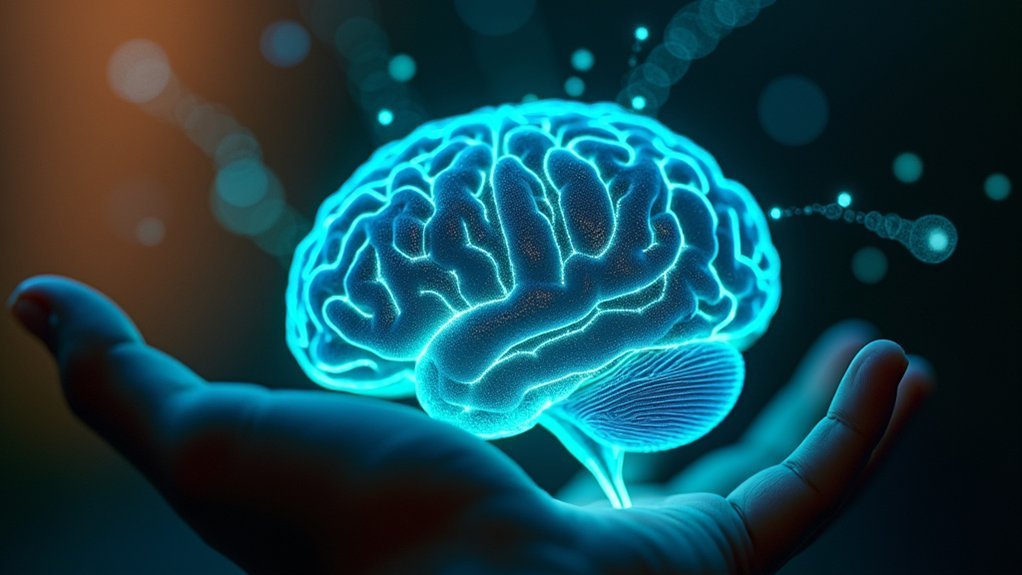
The neurological landscape of reward and behavior illuminates the intricate mechanisms driving human decision-making. Your brain’s dopamine levels dynamically interact with the reward system, unconsciously influencing attention and motivational processes. Cognitive neuroscience reveals that dopamine’s release occurs not just during reward receipt, but fundamentally during anticipation, creating powerful neurological signals that shape behavioral responses. When you experience a past reward, your brain’s neural pathways become sensitized, making associated behavioral cues increasingly compelling. This neurological mechanism explains why breaking habitual patterns becomes challenging—your dopamine system unconsciously biases your attention toward previously rewarded behaviors. Understanding these intricate neural dynamics provides insights into how reward mechanisms unconsciously guide your choices, highlighting the complex interplay between neurochemical responses and behavioral patterns.
Identifying Habit Triggers and Cues
Why do certain situations inexorably trigger problematic behaviors? Understanding habit cues is critical in breaking bad patterns. Your brain’s dopamine system activates when exposed to contextual stimuli associated with past rewards, creating powerful behavioral triggers. These cues can be environmental, emotional, or stress-related, compelling you to repeat habitual actions.
Systematically identifying these triggers involves careful observation of your behavioral patterns. Track the specific circumstances preceding unwanted behaviors—time of day, emotional state, or location. By mapping these cues, you’ll gain insights into the neurological mechanisms driving your habits. The key is recognizing how dopamine release reinforces these patterns and strategically disrupting their neurological pathway.
Replacing familiar cues with healthier alternatives can effectively rewire your brain’s reward system, ultimately transforming habitual responses.
Strategies for Rewiring Dopamine Responses
When dopamine’s neurochemical patterns become entrenched through repetitive behaviors, strategic interventions can systematically recalibrate the brain’s reward circuitry. You’ll need a multi-pronged approach to effectively rewire dopamine responses associated with habits. Mindfulness practices like meditation can enhance self-control by modulating neural pathways, directly impacting how your brain processes reward signals.
Implementing targeted behavioral substitutions is essential. Replace problematic habits with constructive alternatives that provide similar neurological satisfaction. By consciously introducing new, positive behaviors and consistently practicing them for approximately 66 days, you’ll gradually reshape dopamine’s associative mechanisms. Identifying and disrupting triggering cues further supports this neurological recalibration, ultimately weakening the dopamine response linked to undesirable patterns and strengthening pathways conducive to healthier behavioral outcomes.
Breaking the Cycle of Compulsive Behaviors
Recalibrating dopamine’s neurochemical influence requires understanding how compulsive behaviors emerge from deeply ingrained stimulus-response mechanisms. Your brain’s reward system can inadvertently trap you in cycles of repetitive actions, where dopamine triggers unconscious biases toward familiar stimuli. Breaking the cycle demands targeted interventions that interrupt automatic neural pathways.
Building Healthier Neural Pathways
Because the brain’s reward system plays a crucial role in habit formation, consciously redirecting dopamine pathways becomes essential for behavioral transformation. By strategically replacing detrimental habits with positive behaviors, you can stimulate dopamine release more beneficially and strengthen alternative neural pathways.
| Habit Stage | Neural Action | Dopamine Impact |
|---|---|---|
| Awareness | Recognition | Initial Trigger |
| Interruption | Redirection | Pathway Disruption |
| Replacement | New Routine | Reinforcement |
| Consistency | Strengthening | Pathway Consolidation |
| Mastery | Automation | Sustainable Change |
Consistent practice of these new behaviors creates a stable neurological context, allowing your brain to develop more efficient cognitive patterns. Through systematic repetition, you’ll gradually diminish impulsive tendencies and establish healthier neural networks that support long-term behavioral modification and personal growth.
Practical Techniques for Habit Transformation
Building upon the neural pathway insights, transforming habits requires strategic, evidence-based interventions targeting specific behavioral mechanisms. Bad habits can lead to neurological reinforcement through the brain’s reward system, making modification challenging. You’ll need to systematically identify cues, replace routines, and design alternative behaviors that provide comparable dopamine stimulation. By setting specific, measurable goals, you can anticipate potential triggers and develop proactive strategies. Mindfulness techniques can reduce cravings by up to 60%, enabling greater self-control and awareness. The key is finding rewarding alternatives that satisfy psychological needs without perpetuating compulsive behaviors. Focus on substituting negative patterns with positive routines that neurologically retrain your brain’s response mechanisms. This scientific approach transforms habit loops by strategically disrupting and reconstructing neural pathways associated with unwanted behavioral patterns.
Frequently Asked Questions
What Role Does Dopamine Play in Habit Formation?
You’ll find dopamine reinforces neuroscience techniques by activating habit pathways, signaling reward and pleasure. Your brain’s dopamine circuits strengthen behavioral connections, making routine actions more likely through systematic neurological reinforcement.
What Bad Habits Release Dopamine?
When the cat’s away, you’ll find bad habits like smoking, overeating, gambling, and excessive social media use trigger powerful dopamine release. These behavioral triggers reinforce compulsive patterns through neurochemical rewards, creating a self-perpetuating cycle of pleasure-seeking behavior.
What Is the Role of Dopamine in Addiction?
You’ll find dopamine pathways hijack addiction mechanisms by overstimulating reward systems, causing compulsive behavior as your brain becomes less responsive to natural rewards and increasingly dependent on substances for dopamine-driven pleasure.
What Is the Role of Dopamine in Behavior Psychological Functioning?
You’ll find dopamine pathways critically modulate reward prediction, emotional regulation, and behavioral motivation. They systematically encode expected outcomes, influencing decision-making processes by signaling potential pleasure or satisfaction across neurological circuits.
Conclusion
Breaking bad habits isn’t a sprint, but a marathon of neurological rewiring. You’ll need to systematically disrupt dopamine’s automatic reward circuits by consciously introducing alternative behaviors. Your brain’s plasticity allows strategic interventions that can gradually reshape neural pathways. Through consistent, mindful practices, you’ll systematically deconstruct compulsive patterns, transforming your baseline neurochemical responses and establishing more adaptive, intentional behavioral frameworks.

